CS Engineering project · SDG solutions lab

Solving world problems through digital prototypes.

Young CS engineers design machines for the UN Sustainable Development Goals, using digital prototyping, emerging technology and assistive AI.

prototypes built
5
step process
4
theme per month
1
SDGs to solve
17

Drag to turn the stage · pick a machine

  • SDG 3Good Health
  • SDG 4Quality Education
  • SDG 6Clean Water
  • SDG 7Clean Energy
  • SDG 10Reduced Inequalities
  • SDG 11Sustainable Cities
  • SDG 12Responsible Consumption
  • SDG 13Climate Action
  • SDG 15Life on Land

About us

What TechNest does

TechNest is a project where engineering students turn global challenges into working digital machines. Every month we pick one Sustainable Development Goal theme, study the problem, and design a prototype that could solve it in everyday life.

  • A.1

    Global problems

    We start from the SDGs, the most widespread and most impactful problems people face, and narrow each one to a real daily-life situation.

  • A.2

    Digital prototypes

    Our engineers sketch, model and render each machine in 3D, so ideas can be tested, improved and shared before anything is manufactured.

  • A.3

    Technology and assistive AI

    We combine sensors, automation and assistive AI to make machines smarter, safer and accessible to everyone who needs them.

Our goal

Solve the world’s problems through digital prototypes and technology.

One well-designed machine, built for one clear purpose, can change how millions of people live. TechNest exists to design those machines, show them to the world, and inspire the next generation of engineers to build them.

Our structure

How a TechNest project works

Every monthly cycle follows the same four steps, from finding the problem to putting the solution in front of people.

  1. 01 · Discover

    Discover the theme of impact

    We choose a theme from the UN Sustainable Development Goals and research the most widespread, most impactful problems within it, then define exactly what needs solving.

  2. 02 · Assemble

    Gather the engineer team

    We bring together a team of CS engineers who design machines capable of solving the issue. Each engineer owns one machine built for one specific use.

  3. 03 · Build

    Collect the prototypes

    We collect every prototype that can change the problem in one way or another: sketches, 3D models, functions, impact data and naming cards.

  4. 04 · Showcase

    Showcase at the Expo

    We present the prototypes on our social media and at a TechNest Expo inside our own school institutions, where visitors explore every machine.

Month 1 · Theme 1

Environmental sustainability

This month our engineers developed prototypes that change daily life and make it more sustainable: machines for household chores, daily tasks, work and garden work.

The mission: design a new machine that does not yet exist, to bring environmental sustainability into people’s lives. A day-to-day eco lifestyle is the goal: one machine, for one use only, not a fantasy.

Month
August 2026
Theme
Living a sustainable life
Prototypes
5 machines
Focus
Waste · Water · Air · Energy
Every engineer delivered
Sketch · Name · Functions · Benefits · Measurable impact

Month 1 showcase

Five prototypes for a sustainable life

Drag any model to turn it. Switch to Sketch for the original engineering drawing. Each card shows the machine’s structure, its impact and the end result it brings.

  1. Live 3D model
    Drag to rotate · spins by itself when idle

    01Plastic waste → fuel

    EcoRefine Mini

    Turns household plastic into usable fuel.

    EcoRefine Mini is a compact domestic pyrolysis machine that transforms non-recyclable plastic waste into clean synthetic fuel. It solves household plastic pollution and reduces reliance on commercial fossil fuels. By heating shredded plastic up to 400°C in an oxygen-free chamber, it condenses plastic vapour into usable gasoline and diesel fuel for small machinery.

    1. 01Pyrolysis reactor · Ø200 mm sealed steel chamber with insulation and heating element
    2. 02Hermetic lid + gas pipe · Ø20 mm connector carries hot plastic vapour
    3. 03Condenser column · 350 mm finned column cools vapour back into liquid
    4. 04Harmful-gas filter · Zeolite + activated carbon module on the exhaust
    5. 05Fuel collection tank · Graduated 1 L container with drain valve
    6. 06Temperature & pressure sensors · Automated safety monitoring up to 400°C

    End result

    Every household becomes a mini recycling plant: plastic that would pollute for centuries becomes fuel within one cycle.
    SDG 12SDG 13SDG 7Open the beta 3D model
  2. Live 3D model
    Drag to rotate · spins by itself when idle

    02Water collection

    Aqua Catcher

    Catches the rain, filters it, gives it back.

    Aqua Catcher is a wall-mounted device that collects rainwater from the roof and recycles it for everyday use: washing dishes, watering plants, the bathroom and even drinking. It saves water that would otherwise flow into the ground and makes it usable again.

    1. 01Collection funnel · Mounted under the roof drain pipe to catch rainwater
    2. 02Inlet pipework · Guides water down into the filtering tank
    3. 03Capsule filter tank · Water passes through 3 natural filtering layers
    4. 04Clean water chamber · Stores filtered water, ready to use
    5. 05Wall mounting panel · Fixes the unit to a house or apartment wall
    6. 06Output tap · Press to pour filtered water

    End result

    Families in rainy regions get a free, independent supply of clean water and reduce pressure on city water systems.

    Materials: plastic & stainless steel · Size ≈ 150 × 30 cm · Power: none

    SDG 6SDG 11SDG 13Engineer: Nurulloxon
  3. Live 3D model
    Drag to rotate · spins by itself when idle

    03Food waste → soil

    The Daily Cycle

    Kitchen scraps to soil enhancer in 3 hours.

    The Daily Cycle is a compact kitchen appliance that converts daily household food waste into dry, nutrient-rich soil enhancer in under three hours, drastically reducing the organic waste sent to landfills.

    1. 01Dehydration chamber · Sealed door with a viewing window
    2. 02Heating element coils · Dry the food waste at controlled temperature
    3. 03Internal grinding blades · Break waste down into fine particles
    4. 04Activated carbon filter & fan · Removes odours during processing
    5. 05Removable dry output tray · Collects the finished soil enhancer
    6. 06Status indicators · ON/OFF button with status and filter lights

    End result

    Food scraps stop becoming landfill methane and return to gardens as nutrient-rich soil enhancer.

    SDG 12SDG 13SDG 15
  4. Live 3D model
    Drag to rotate · spins by itself when idle

    04Clean air

    Improved Corsi-Rosenthal Air Filter

    Modular, repairable clean air for every room.

    Four MERV 13 furnace filters form a hollow cube attached to a standard 20-inch box fan. 3D-printed corner brackets provide airtight structural support, while a printed circular shroud funnels air away from the fan blade edges to maximise intake efficiency.

    1. 014 × MERV 13 filters · Form the walls of a hollow filter cube
    2. 02Standard 20" box fan · Pulls air through all four filters
    3. 033D-printed corner brackets (×8) · ABS/PETG, with seal gasket channels for an airtight fit
    4. 043D-printed fan shroud · Air-flow optimiser that improves intake
    5. 05Reusable straps · Hold the assembly together, no tape waste

    End result

    Affordable, low-energy clean air for classrooms and homes, with electronics kept out of landfills.

    SDG 3SDG 11SDG 12
  5. Live 3D model
    Drag to rotate · spins by itself when idle

    05Paper reuse

    Recyc-U V2

    Turns waste paper into new sheets, on your desk.

    Recyc-U V2 is a compact desktop paper-recycling appliance for offices and classrooms. Waste paper is hydro-pulped into slurry, drained on a mesh tray, then pressed and flash-dried through heated rollers into a fresh sheet, all in a recycled-ABS casing with a transparent window that shows the process.

    1. 01Paper intake hopper · Gravity-fed batch processing
    2. 02Blender motor · Hydro-pulps shredded paper into slurry
    3. 03Mesh deckle tray · Gravity-drains water from the pulp
    4. 0412V recirculation pump · Pumps drained water back to the top: water is reused
    5. 05Heated laminator rollers · Squeeze out moisture and flash-dry the sheet
    6. 06Analog control panel · Pulp · Form · Dry · Start buttons

    End result

    Schools and offices close their own paper loop: waste paper becomes new paper at the desk. Target retail price $399-499.

    SDG 12SDG 15SDG 4

Coming up · Month 2

Life with disabilities

Next month TechNest engineers design digital machines that help people with disabilities live more independently every day. Using sensors, smart hardware and assistive AI, each prototype removes one real barrier from daily life.

  • SDG 10 · Reduced Inequalities
  • SDG 3 · Good Health and Well-being
  • Focus · mobility, vision, hearing and daily independence
  • Tools · digital prototypes and assistive AI

--

days

--

hours

--

min

Our team

The people behind TechNest

A core team that runs the project, and the engineers who turn each month’s problem into a working prototype.

Core team

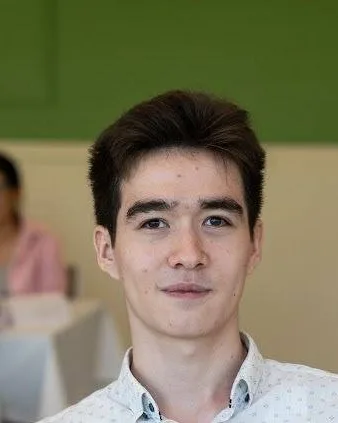
  • Anvarjon Sobirov01

    Anvarjon Sobirov

    Project Founder

  • Nuriddin Mukhiddinjonov02

    Nuriddin Mukhiddinjonov

    Chief Operating Officer

  • Nurulloxon Valixonov03

    Nurulloxon Valixonov

    Chief Technology Officer

Prototype Management Team

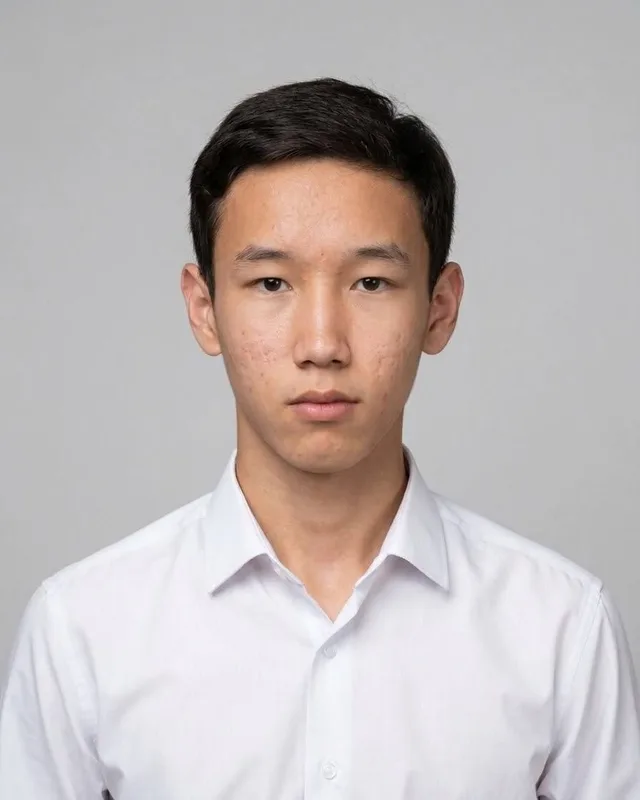
  • Kamron Tokhirmirzaev01

    Kamron Tokhirmirzaev

    Engineer

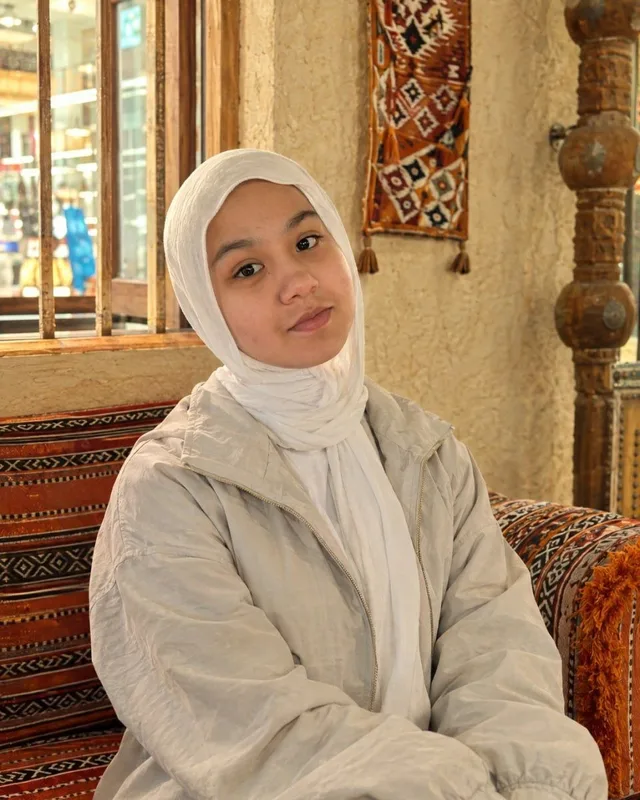
  • Soliha Zufarova02

    Soliha Zufarova

    Engineer

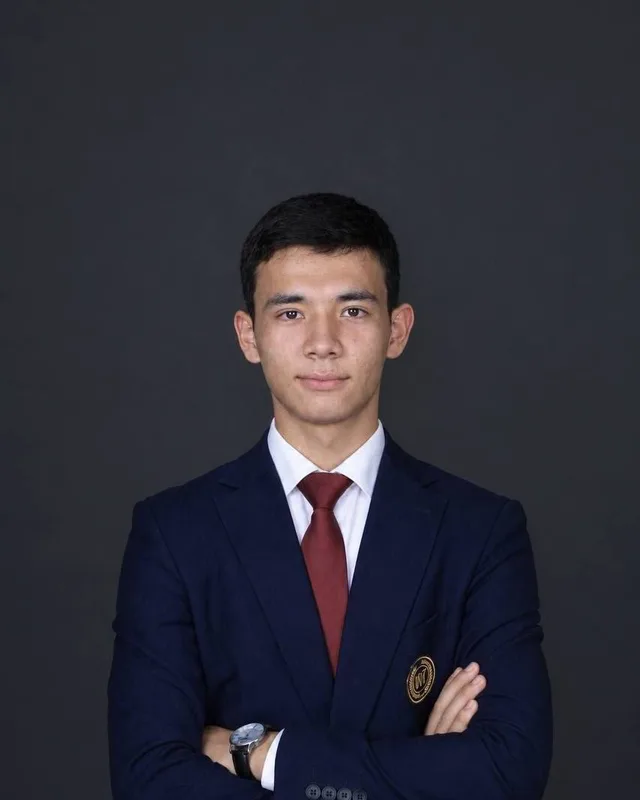
  • Ibrohim Odiljonov03

    Ibrohim Odiljonov

    Engineer

Join the engineer team

Build the next machine with us

We’re looking for curious students who want to design technology that matters. No 3D modelling experience needed: you learn it with the team.

  1. 1

    Apply online

    Fill in the form and tell us which problem you’d love to solve.

  2. 2

    Short interview

    Meet a TechNest mentor to talk about your ideas and your interest in engineering.

  3. 3

    Design challenge

    Sketch a simple machine for the current month’s theme: one machine, one use.

  4. 4

    Welcome to the team

    Join the monthly cycle: research, model your prototype in 3D and present it at the Expo.

Apply

About 10 minutes

01About you

02Studies

03Interests and experience

Choose one or more.

Anything you have built, modelled, coded or researched. If nothing yet, say so.

04Essays

One real problem, who it hurts and why it matters to you. Up to 150 words.

0 / 150 words

For Month 2’s theme, life with disabilities: one machine, one use. What does it do? Up to 120 words.

0 / 120 words

05Consent

Get in touch

Want to visit the Expo, partner with us, or bring TechNest to your school? Send an application above and the team will reply.

  • Telegram

    Our Telegram channel opens soon.

  • Location

    Tashkent, Uzbekistan

TechNest

Solving world problems through digital prototypes.

© 2026 TechNest · CS Engineering project

Back to top